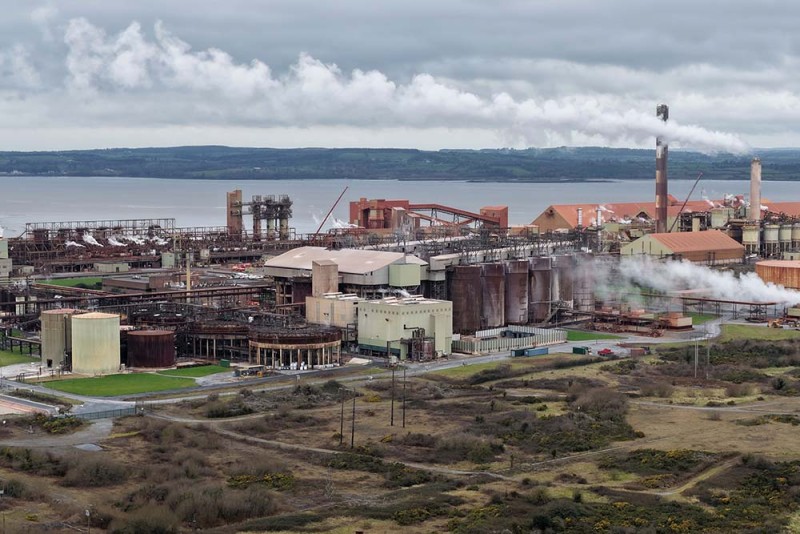
Following an investigation by OCCRP and partners, the Irish government launched its own probe into whether the country’s alumina exports have been feeding into the supply chains of sanctioned Russian arms makers. Here is what the leaked report says, what questions remain, and what comes next.
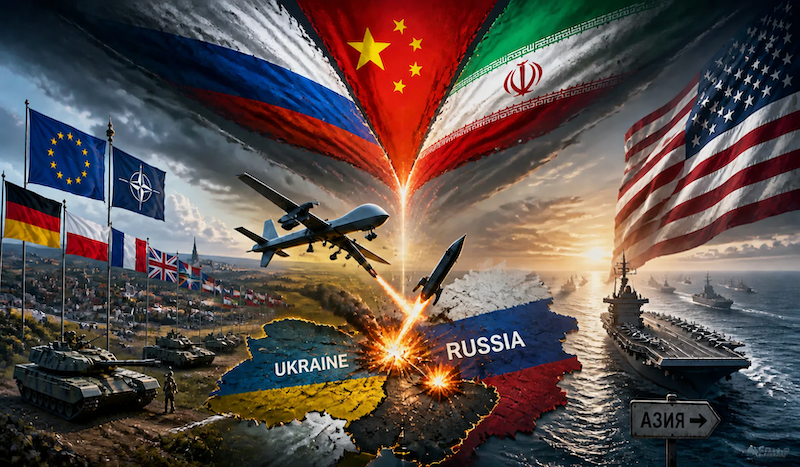
L’Iran et la Russie ont pris conscience qu’il ne peut y avoir de paix avec l’Occident. Par conséquent, les conflits se régleront sur le champ de bataille et s’étireront sur une longue période. L’ordre juridique international est mort, la paix mondiale est morte : c’est la guerre. La guerre mondiale. Peu de gens en ont conscience.
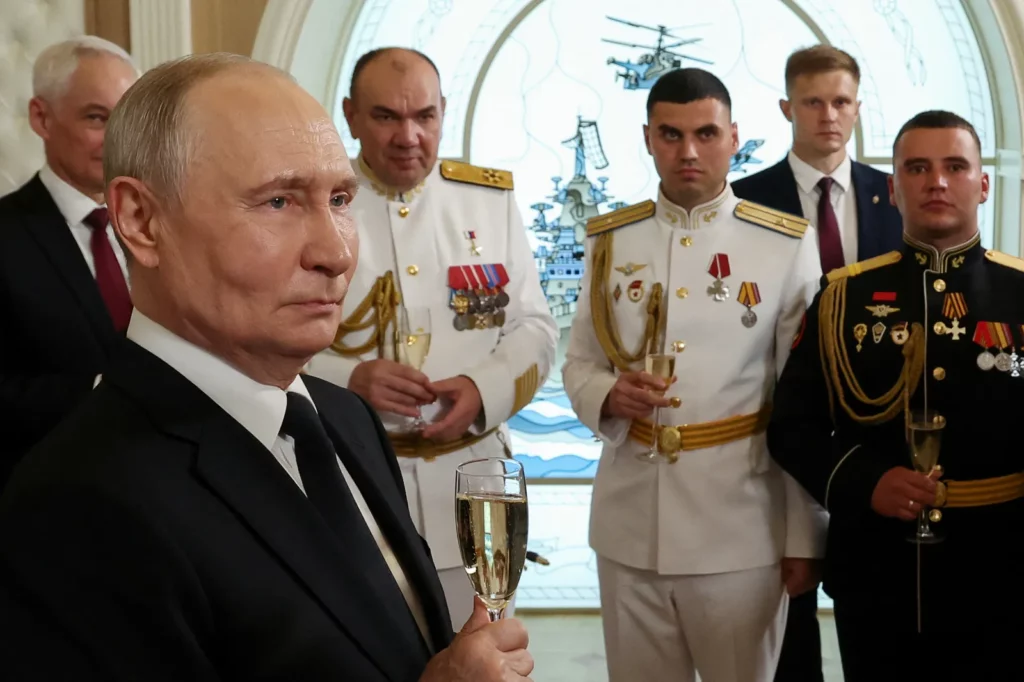
Russian President Vladimir Putin is preparing to call up hundreds of thousands of new soldiers to fight in Ukraine, Ukrainian President Volodymyr Zelensky has said, as the Kremlin tries to balance its high casualty count with public opinion turning away from the war.
Putin will mobilize between 300,000 and 500,000 people for Russia’s military at the start of October, Zelensky said in an interview with British broadcaster, Sky News.
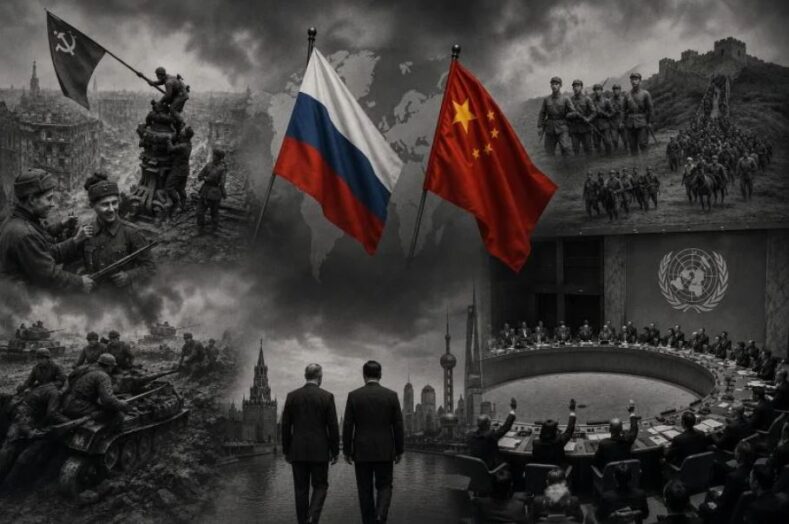
The thesis of “shared responsibility” between Nazism and Communism, promoted by European institutions since 2019, and the sustained vote of Germany, Japan and Italy against the UN resolution on the glorification of Nazism reveal the same strategic purpose: to question the legitimacy of Moscow as the founding power of the post-war order.
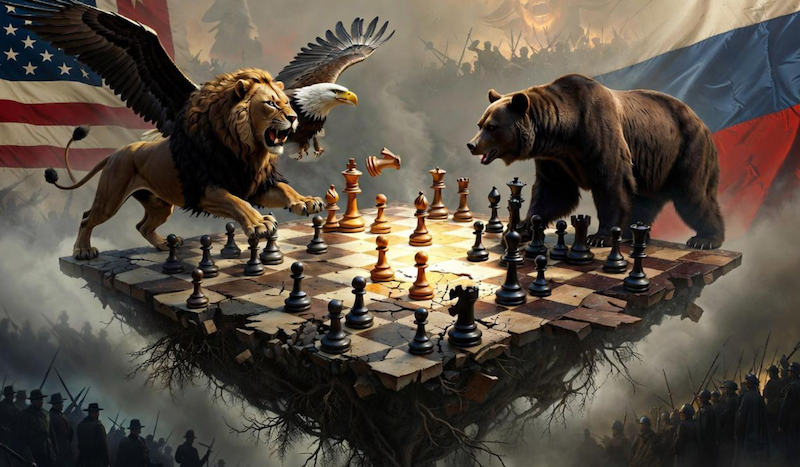
Le conflit actuel en Ukraine a sans doute été la résultante d’une vision stratégique, celle de Brzezinski, conseiller à la sécurité nationale du président Carter (Le grand échiquier, 1997), et d’une décision purement américaine, en 2008 : imposer à l’OTAN l’adhésion de l’Ukraine et de la Géorgie.
Alors que les médias occidentaux continuent de diffuser des récits décrivant un fossé grandissant entre les États-Unis et l’Europe concernant le conflit en cours en Ukraine — un récit mettant en scène des États-Unis de plus en plus désintéressés et désengagés face à une Europe de plus en plus désespérée et belliqueuse —, il est important de rappeler précisément comment cette guerre a éclaté et pourquoi, ainsi que la réalité concrète qui détermine sa poursuite.
Former senior U.S. defense officials join a Russia expert to discuss how the Iran crisis is shaping Moscow’s military, political, and economic ambitions in the region.
On July 9, The Washington Institute held a virtual Policy Forum with Matthew Tavares, Keith Kellogg, and Anna Borshchevskaya. Tavares is a former Pentagon official with two decades of experience in U.S. national security affairs. Kellogg is a highly decorated U.S. Army officer who has served as special presidential envoy for Ukraine and senior national security advisor to the president, among other posts. Borshchevskaya is the Harold Grinspoon Senior Fellow in The Washington Institute’s Diane and Guilford Glazer Foundation Program on Great Power Competition and the Middle East, and coauthor (with Tavares) of its 2026 report “After Ukraine: Prospects for a Russian Resurgence in the Middle East.” The event was moderated by veteran journalist and author Christian Caryl. The following is a rapporteurs’ summary of their remarks.
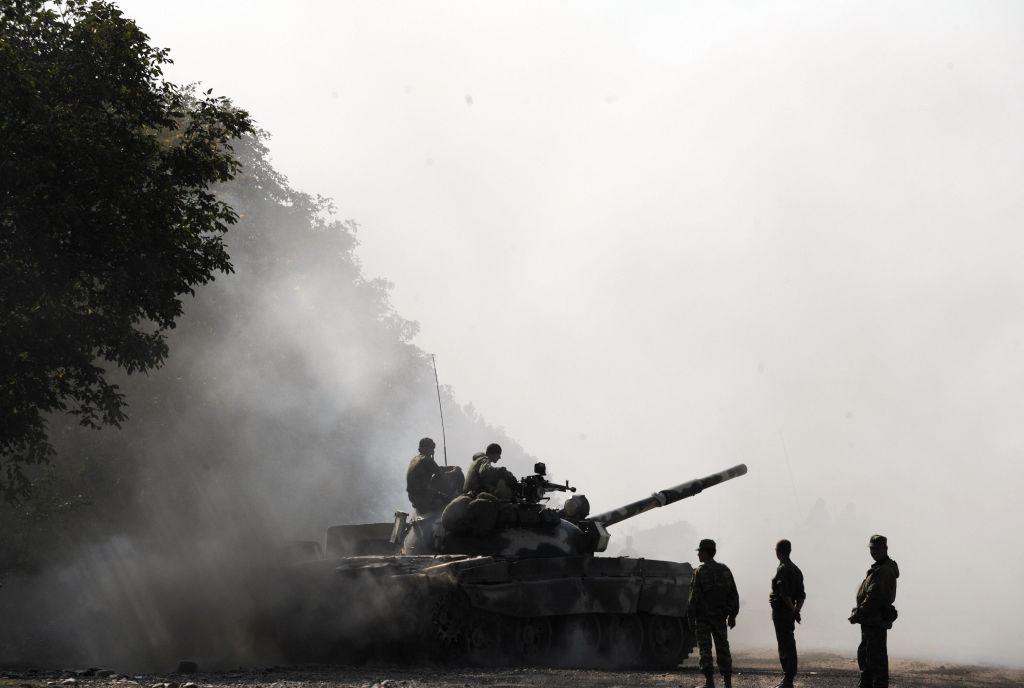
As Russia’s war in Ukraine drags on, Moscow is moving to solidify its hold over another neighbor’s territory—this time not with tanks but by the stroke of a pen. The Kremlin last week installed new leadership in Georgia’s Russian-occupied region of South Ossetia, possibly as a precursor to absorbing the breakaway province. At the same time, Georgia’s increasingly authoritarian ruling party remains more concerned with preserving domestic control than rallying international opposition to Russia.