More freedom is more order: the integration of migrants is more successful where they are not imposed unnecessary restrictions
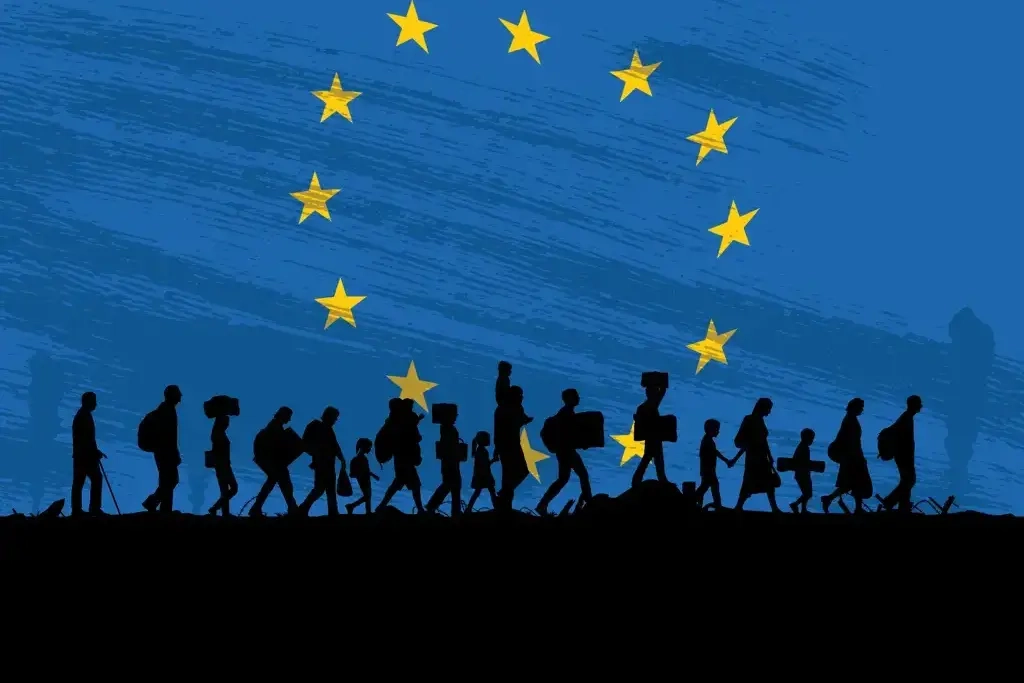
The number of migrants in the world has reached 300 million, and despite the growth of anti-migration sentiment and the coming to power of leaders promising to stop the influx of visitors, neither the United States nor Europe has been able to significantly reduce their number. Migration will grow because aging economies are increasingly lacking in the hands, and the main challenge for the authorities is not so much to stop the flow as to properly integrate migrants to avoid social conflicts and get economic benefits. World experience in this matter is different, but numerous studies show that migration policies have been more successful in countries where migrants have received equal access to the labour market and could participate in social processes. The higher the employment of immigrants and the fewer bureaucratic barriers, the lower the negative factors for which migration are criticized: crime and inclusion in the local society.
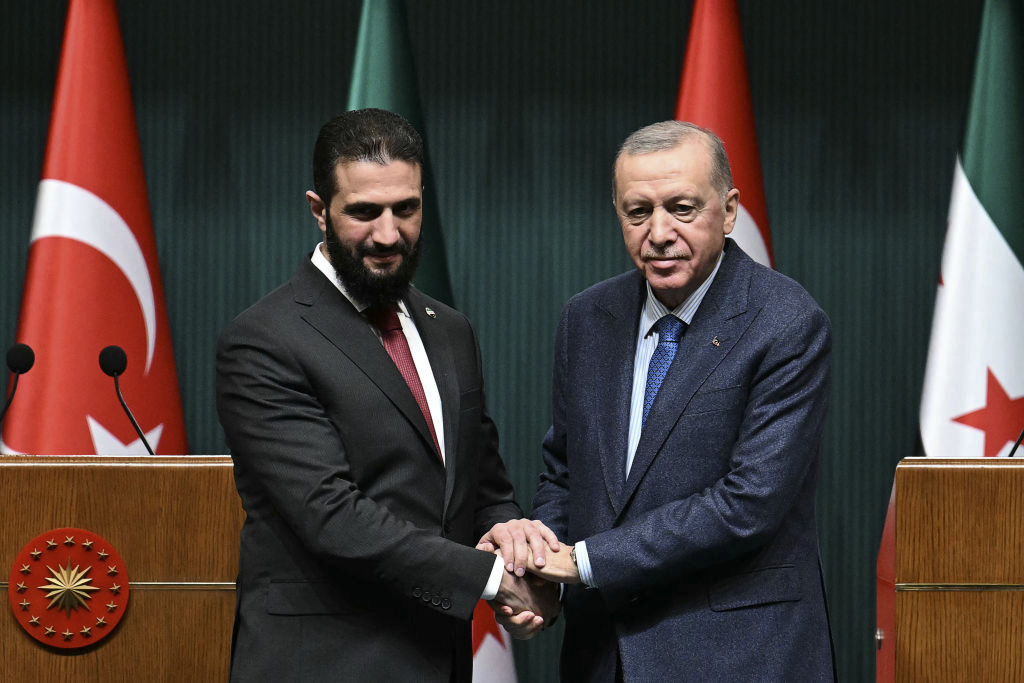

Syria: Turkey’s New Battleground Against Israel

Turkey’s continued financial support for Hamas and its provision of safe haven to Hamas terrorists only adds to Israel’s view of Turkey as a hostile actor, an attitude that is not helped by Erdogan’s constant use of anti-Israel rhetoric in political campaigning and official communications. In June, for example, Turkey’s interior minister called for the “liberation of Jerusalem.”

The West must win : mais gagner quoi ?

La dernière couverture du Spectator proclame que «l’Occident doit gagner». Derrière l’ours russe, le dragon chinois et le temple fissuré se joue pourtant une question plus profonde : que signifie encore gagner lorsque l’Occident n’est plus seul à définir les règles du monde — et lorsqu’il doit lui-même affronter les contradictions de ses propres principes ?

Le Hezbollah traque les assassins d’Hind Rajab et écrase l’offensive israélienne

Le 29 janvier 2024, Hind Rajab, six ans, a imploré de l’aide au téléphone pendant trois heures, piégée dans une voiture entourée des corps de sa famille. Un char israélien a ouvert le feu à seulement 13 mètres de distance, dans le quartier de Tal al-Hawa, à Gaza, plongeant la fillette dans un état de choc. Pendant des heures, elle a supplié au téléphone les secouristes du Croissant-Rouge de la sauver, mais l’armée israélienne a refusé d’envoyer une équipe de secours.

Quand Bruxelles instrumentalise l’histoire pour servir ses guerres

Il arrive un moment où les discours sur les «valeurs européennes» doivent être confrontés à leurs propres contradictions. L’Union européenne se présente comme une sentinelle inflexible face au nazisme, au fascisme, à l’antisémitisme et au révisionnisme historique. Elle invoque la mémoire de la Shoah, condamne la glorification des collaborateurs et prétend défendre une Europe définitivement vaccinée contre les démons de son passé. Mais que valent ces principes lorsqu’ils se heurtent aux intérêts géopolitiques de Bruxelles et de ses alliés ?

‘They Are Against the Principles of the Country They Live In’: The Islamization of Europe

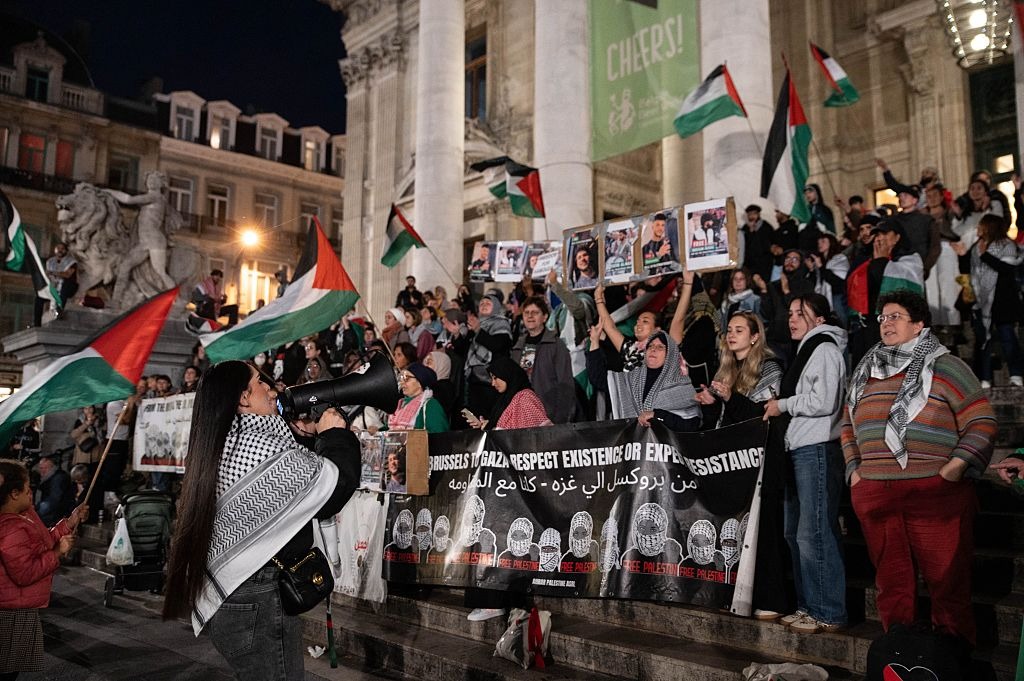
“Europe should wake up. If they remain silent it will be destroyed from within. It is almost already destroyed. If Europe does not wake up and prosecute these people… these people are not only Hamas. These people are against freedom, against democracy, against secularism, they are against the basic principles of the country they live in.” – A Gazan living in Belgium, Channel 12 News, July 2026.

The Geopolitics of Chokepoint Power

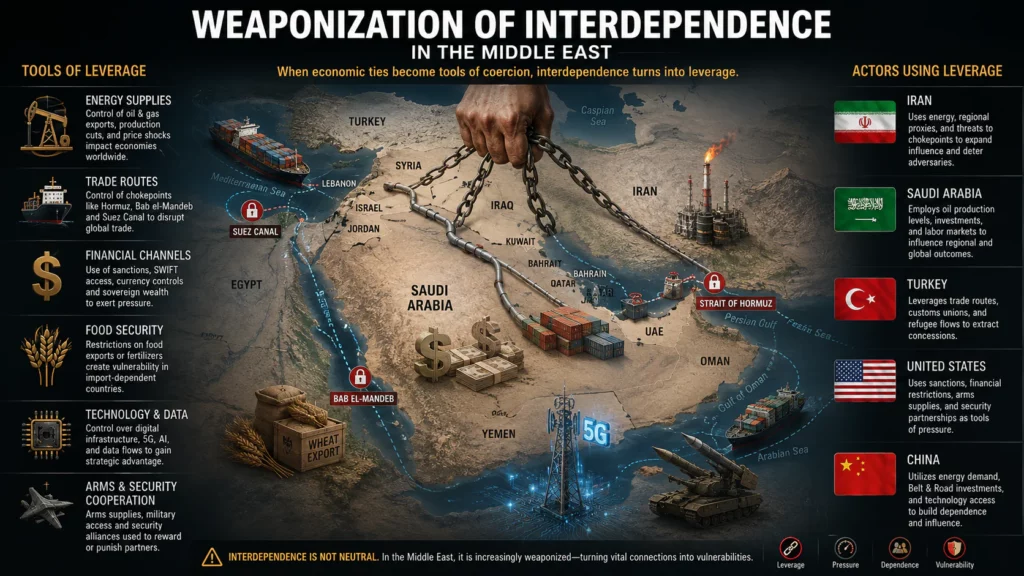
The ongoing war in the Middle East has revealed how the process of globalization has contributed to the weaponization of interdependence.

Globalization, a process that intensified in the 1990s, was expected to bring the world closer than ever. One of its significant consequences was the interdependence among state actors and non-state actors based on the expectation that such interdependence—financially, socially, and politically—would raise the costs of conflict, thereby necessitating cooperation over conflict and concord over discord. But recent events have put a spotlight on the vulnerabilities of such interdependence.

Why Aid Collapse Is Not the Worst Problem for the UN Development System

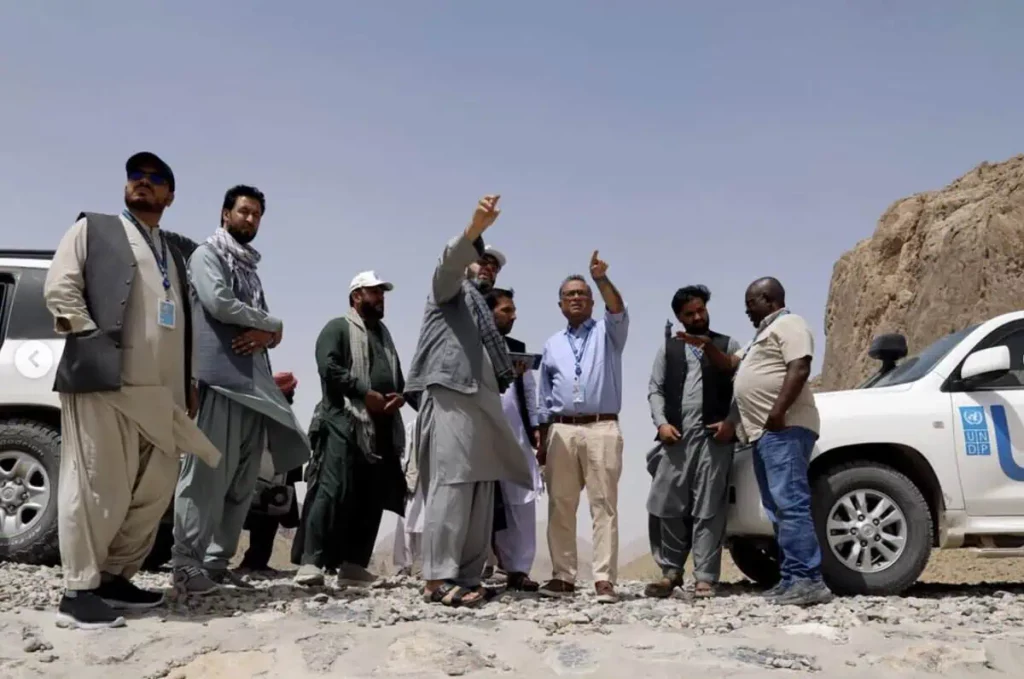
For the second time in a generation, official development assistance — as conventionally measured by the Organization for Economic Cooperation and Development — is collapsing.

In the 1990s, ideologically driven development assistance declined after the end of the Cold War. In the 2020s, the major donors have shown a preference for hard power over soft power channelling more funds into defense, at the direct expense of foreign aid. Spending on immigration from conflict-torn states has also drawn funds away from traditional aid budgets.